
Ready-to-drink protein shakes have become the easiest way to hit a daily protein target without cooking, blending smoothies, or planning ahead. Unlike mixing messy protein powder, you simply pop the cap and drink. That convenience matters whether you are supporting weight loss, replacing a meal, or fueling post-workout recovery.
Not all shakes are built the same, though. Protein content ranges from 15g to over 40g per bottle, and sugar can swing from 1g to well over 20g depending on the brand.
Calories, fiber, and the type of protein used—such as dairy whey protein, milk protein concentrate, or plant-based protein like pea protein—all affect satiety and dietary goals.
The best protein shakes keep sugar near zero, pack real protein numbers, and don't taste like chalk.
A shake with 30g of protein and 1g of sugar delivers far more nutritional value per calorie than one loaded with 15g of added sugar just to mask a bland taste. We evaluated the best 5 protein shakes on protein-to-sugar ratio, calories, fiber, caffeine, and price per bottle to see which earn a spot in your fridge.
Best for everyday value: Premier Protein 30g Shake, Vanilla
Best for cleaner ingredients: Orgain 30g Protein Shake, Chocolate Fudge
Best for post-workout recovery: Core Power Elite 42g Shake, Chocolate
Best for meal replacement: Ensure Max Protein Shake, Milk Chocolate
Best for a coffee-and-protein combo: Atkins Mocha Latte Protein Shake
Premier Protein 30g Shake, Vanilla

This is the shake to buy if you want strong protein numbers at a price that makes daily drinking realistic.
Pros
-
30g protein with only 1g sugar and 160 calories
-
Competitively priced compared to similar 30g options
-
Smooth vanilla flavor that works well in coffee or oatmeal
Cons
-
Contains soy and milk, which rules it out for some allergy suffers
-
No caffeine or added fiber
-
Texture can feel slightly thin compared to thicker shakes
Premier Protein has built its reputation on hitting a 30g protein mark without loading the bottle with sugar or unnecessary calories. It combines milk protein concentrate, milk protein isolate, whey protein isolate, and whey protein, sweetened with sucralose and acesulfame potassium.
The vanilla flavor tastes closer to a vanilla wafer than a typical protein shake. At 160 calories, it also works well for weight loss, weight management, or as a light breakfast substitute.
Where it falls short is on extras. There's no fiber and no caffeine, so it functions purely as a protein source rather than a multi-purpose supplement. For shoppers who just want reliable protein at a fair price, that simplicity is the point.
Orgain 30g Protein Shake, Chocolate Fudge

Choose this one if you want 30g of protein without artificial sweeteners or carrageenan in the ingredient list.
Pros
-
30g protein plus 5g BCAAs for muscle support
-
No sucralose, carrageenan, or added hormones
-
Kosher-certified and soy-free
Cons
-
Uses stevia, which some reviewers find has an aftertaste
-
Slightly lower overall rating than competitors
-
Best flavor consistency depends on storage temperature
Orgain markets itself on ingredient quality, and the label backs that up: non-GMO sourcing, no artificial flavors, artificial colors, or fillers, and a soy-free formula alongside 30g protein and 1g sugar. Many athletes also appreciate third-party testing, minimal gums, and cleaner sourcing for daily fitness routines.
The added BCAAs, particularly leucine, trigger muscle protein synthesis to support muscle repair and muscle growth beyond what total protein count alone measures. That makes a meaningful difference if you're using this around workouts rather than just as a snack.
Taste opinions split on this one. While some clean formulas use monk fruit for sweetness, Orgain relies on stevia, which some buyers find leaves an aftertaste. If you've had bad experiences with stevia-sweetened products before, sample a single bottle first.
Core Power Elite 42g Shake, Chocolate
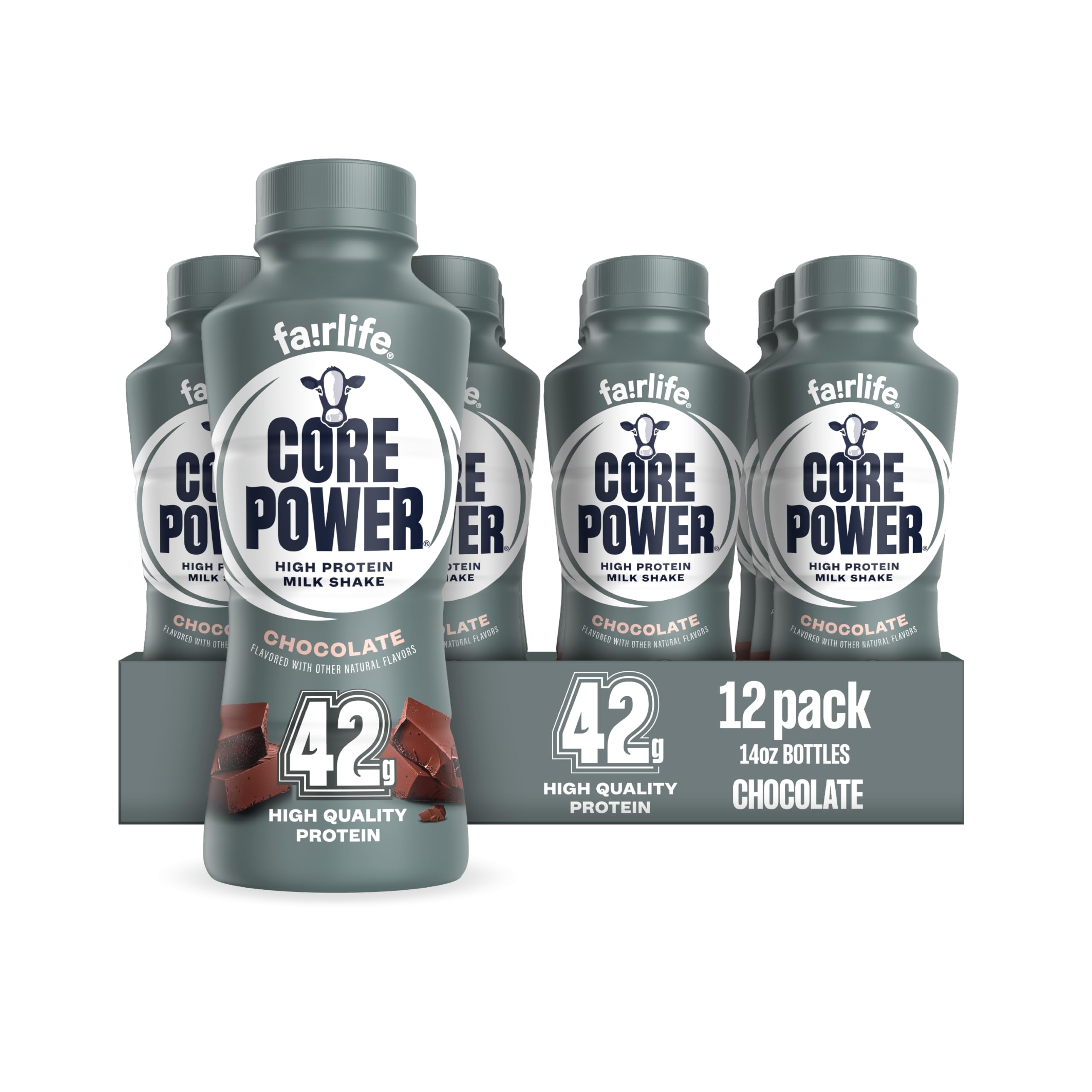
This is the premier protein shake for muscle gain and post-workout recovery, delivering 42g of protein per bottle, well above the 30g standard set by most competitors.
Pros
-
42g of protein per bottle, the highest in this lineup
-
Made from fairlife ultra-filtered milk with electrolytes included
-
Lactose-free and contains all 9 essential amino acids
Cons
-
Higher price per bottle than standard 30g shakes
-
14oz size means more to carry or store
-
Chocolate flavor is rich, which may not suit all preferences
The Fairlife Core Power Elite line stands apart on protein volume alone. As a dedicated post-workout protein source, it delivers a massive dose of high-quality protein, essential amino acids, and natural calcium to stimulate muscle growth and accelerate recovery.
Fairlife's ultra-filtered milk base also gives it a rich, creamy texture without relying on standard protein powder blends.
The tradeoff is cost per bottle, which runs higher than the 30g options here. For casual snacking, that premium may not be worth it. For athletes and heavy gym-goers who genuinely need more protein per serving, it's an easy justification.
Ensure Max Protein Shake, Milk Chocolate
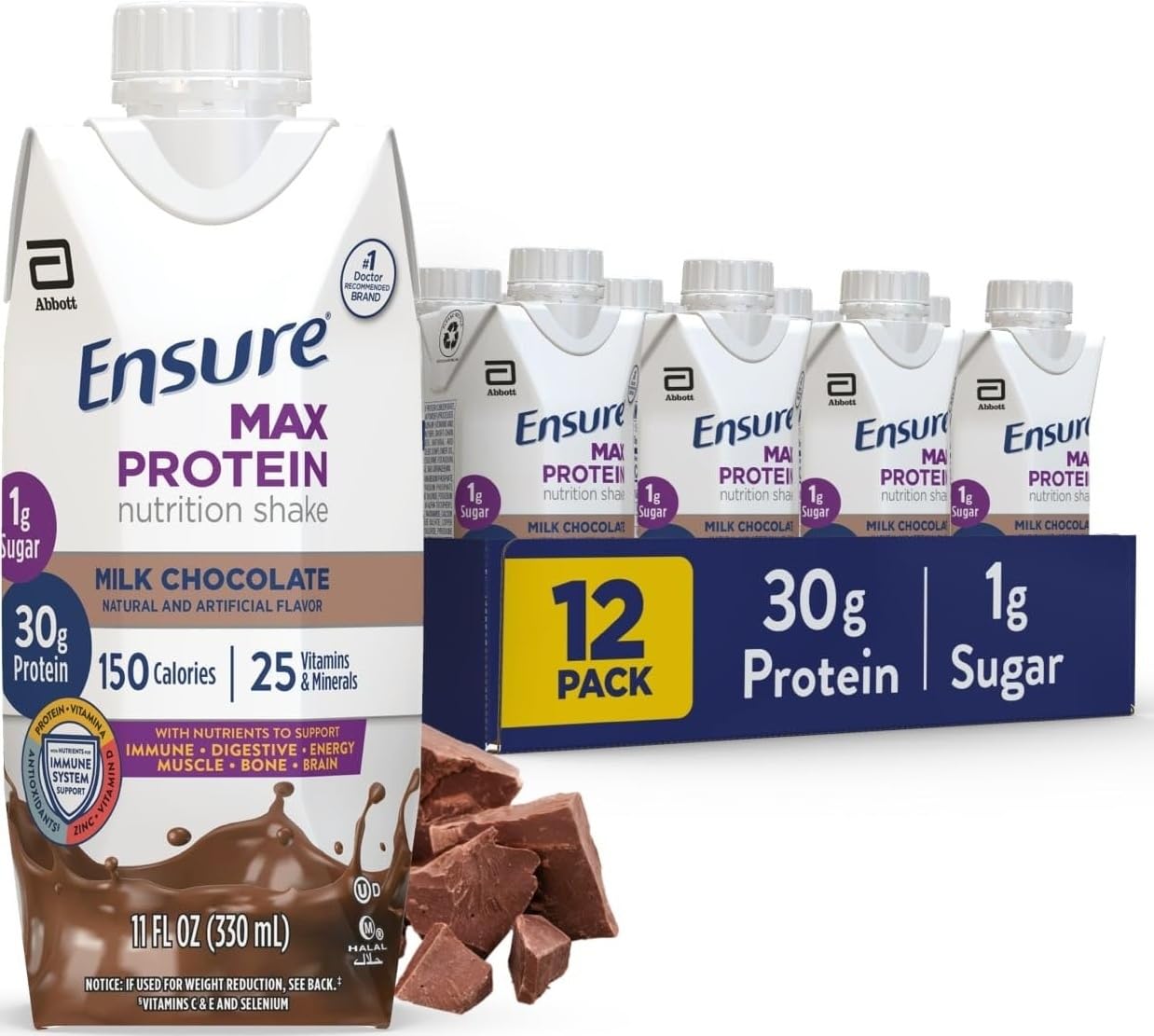
Pick this option if you want meal replacement shakes that cover more nutritional bases than protein alone.
Pros
-
30g protein with 1g sugar and 4g fiber for digestion
-
25 vitamins and minerals, including immune and bone support nutrients
-
Backed by wide doctor recommendation for nutritional drinks
Cons
-
Some flavors leave a noticeable aftertaste
-
Contains milk, not suitable for dairy-free diets
-
Doesn't include caffeine despite some flavors implying energy support
Ensure Max Protein reads more like complete dietary supplements than a simple protein shake. Beyond the 30g protein and 1g sugar, it adds 4g of prebiotic fiber, beneficial omega-3s, and key nutrients like calcium and vitamin D for bone health.
With 25 essential vitamins and minerals, this formula makes a sensible meal replacement or snack for supporting daily protein intake. Many registered dietitian experts recommend complete formulas like this or Huel Ready-to-Drink when whole meals aren't accessible.
Reviewers consistently praise the smooth, non-chalky texture, especially in the milk chocolate flavor. A handful mention an aftertaste in other flavors, so it's worth trying a single bottle if you're sensitive to that.
Atkins Mocha Latte Protein Shake
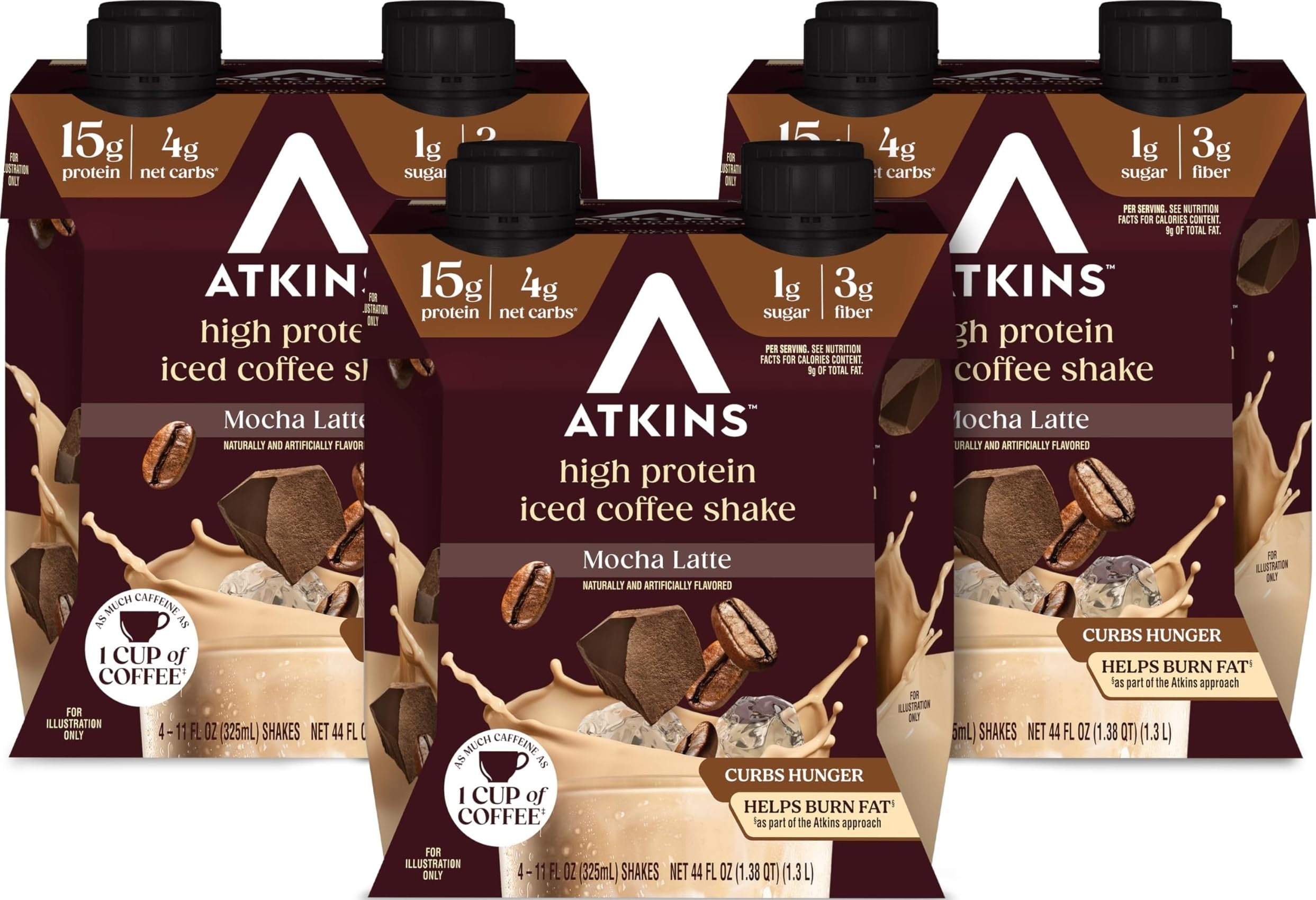
Grab this one if you want your morning coffee and protein shake combined into a single low-carb drink.
Pros
-
Caffeine content equal to a standard cup of coffee
-
Only 4g net carbs and 1g sugar, ideal for keto diets
-
3g fiber helps with satiety despite lower protein count
Cons
-
Only 15g protein per bottle, about half of other options here
-
Higher fat content at 9g per serving
-
Not a fit for anyone avoiding caffeine
Atkins built this shake around the keto and low-carb crowd rather than the high-protein crowd, and that shows in the numbers. At 15g protein, it delivers about half what the other shakes on this list offer, but the tradeoff is 4g net carbs and real coffee-shop flavor with actual caffeine. For someone who normally buys a specialty coffee drink and a protein bar separately, this replaces both in one bottle.
Reviewers consistently call out the mocha flavor as one of the better-tasting options in the Atkins lineup, with a smooth texture that doesn't feel watered down. It won't satisfy a heavy lifter's protein needs on its own, but as a low-carb morning routine drink, it holds up.

Buying Guide
Protein Content: Match the Number to Your Goal
Protein needs vary by purpose, and ready-to-drink protein drinks reflect that range. A shake with 15g protein works fine for satiety or weight loss snacking, while optimal muscle gain and recovery after intense training often call for 30g or more.
|
Protein Level |
Best Use Case |
|---|---|
|
15-20g |
Light snack, appetite control, coffee replacement |
|
25-30g |
Standard meal supplement, general fitness support |
|
35g+ |
Post-workout recovery, higher training volume |
Whether your primary goal is muscle gain, steady weight loss, or hitting daily protein targets, choosing the right amount prevents wasted calories. Check total daily protein intake before stacking multiple high-protein shakes in one day.
Sugar and Calories: Read the Fine Print
Low sugar matters more than low calories for most buyers watching their diet. A shake with 1g sugar and 160 calories supports steady energy without the crash that comes from sugar-heavy alternatives. Watch for shakes marketed as "protein" that still carry 10g or more of added sugar, since that undercuts the health benefit.
Fiber and Digestion
Fiber slows digestion and extends fullness, which matters if a shake is replacing a meal rather than supplementing one. Balancing your primary macronutrients ensures sustained energy. Protein is the most satiating macronutrient, and pairing it with fiber holds hunger off longer.
Caffeine and Special Ingredients
Some shakes include caffeine equivalent to a cup of coffee, which works well for morning routines but should be avoided later in the day or by anyone limiting caffeine intake. Added amino acids like BCAAs support muscle recovery beyond what total protein grams indicate, and shoppers focused on athletic performance should look for that on the label.
Protein Source and Quality
Most ready-to-drink options use dairy sources like whey protein, milk protein isolate, milk protein, or ultra-filtered milk. Choosing the best protein shakes comes down to matching ingredients to your dietary preferences.
If you prefer dairy-free alternatives, a plant-based protein shake often combines pea protein with brown rice protein, chickpea protein, or pumpkin seed protein to supply a complete protein with all essential amino acids.
While traditional protein powder allows custom blending, bottled shakes offer maximum convenience on busy days. Looking for third-party testing helps ensure ingredient purity and accurate label claims.
Dietary Restrictions and Micronutrients
Check allergen labels closely. Milk and soy show up frequently in protein shakes, and not every brand is gluten-free or lactose-free.
Shoppers avoiding artificial sweeteners or carrageenan should scan the ingredient list carefully. Also check for key minerals like calcium, especially when using meal replacement shakes to support bone health and overall wellness.
Price Per Serving
Compare cost per bottle, not just pack price, since serving sizes and protein amounts vary. A shake with more protein per bottle can still be the better value even at a higher sticker price if it replaces a larger meal or a separate supplement purchase.